


Your HVAC Filter: A Simple Guide to Better Air Quality
Swapping out a clogged HVAC filter can boost your system’s efficiency by up to 15%, cut down on indoor allergens, and help your heating and cooling equipment last longer. It’s a crucial maintenance step many homeowners forget until airflow weakens or energy bills climb. This guide will walk you through how often to change your filter, the different types available, what MERV ratings mean for your home’s air, and the real benefits of regular changes. You’ll also find a clear, step-by-step DIY guide for replacing your filter and advice on when it’s best to call in a pro. Plus, discover how the skilled technicians at All Air Solutions LLC can assist Lehigh Valley residents with routine filter changes and complete system upkeep.
How Often Should You Swap Your HVAC Filter?
Aim to replace your HVAC filter every one to three months. This keeps your indoor air fresh, your system running efficiently, and prevents dust buildup that can harm its components. How often you need to change it depends on factors like whether you have pets, if anyone in the house has allergies, and how much your system runs. If your home tends to get dusty or smoky, check the filter monthly and plan to change it at least every 30 days to avoid clogs and airflow issues. For most homes with average occupancy and minimal pets, changing it every 90 days strikes a good balance between performance and cost.
Regularly changing the filter also protects your blower motor from overworking and helps keep the evaporator coil clean, which can improve seasonal energy efficiency by up to 12%. Keep an eye on your programmable thermostat’s runtime hours or log your filter checks in a maintenance notebook to stay on track. Understanding these patterns will help you determine the best schedule for your filter changes.
What Factors Influence How Often Your HVAC Filter Needs Changing?
Several household and environmental conditions affect how quickly your filters collect particles and need replacing.
Before setting a schedule, consider these key influences:
- Home Activity → Particle Generation → Change filters more often during family gatherings or home projects that stir up dust.
- Pet Ownership → Dander Levels → In homes with multiple shedding pets, change filters more frequently to capture extra hair and dander.
- Allergy Sensitivity → Airborne Irritants → Schedule monthly changes for allergy sufferers to minimize circulating pollen and mold spores.
- Filter Thickness → Dust Holding Capacity → Thicker filters (4–5 inches) can hold more debris and last up to 90 days, unlike 1-inch models.
These factors will help you create a personalized replacement plan that fits your home’s actual use and prevents unexpected airflow blockages.
How to Tell When Your HVAC Filter Needs a Change
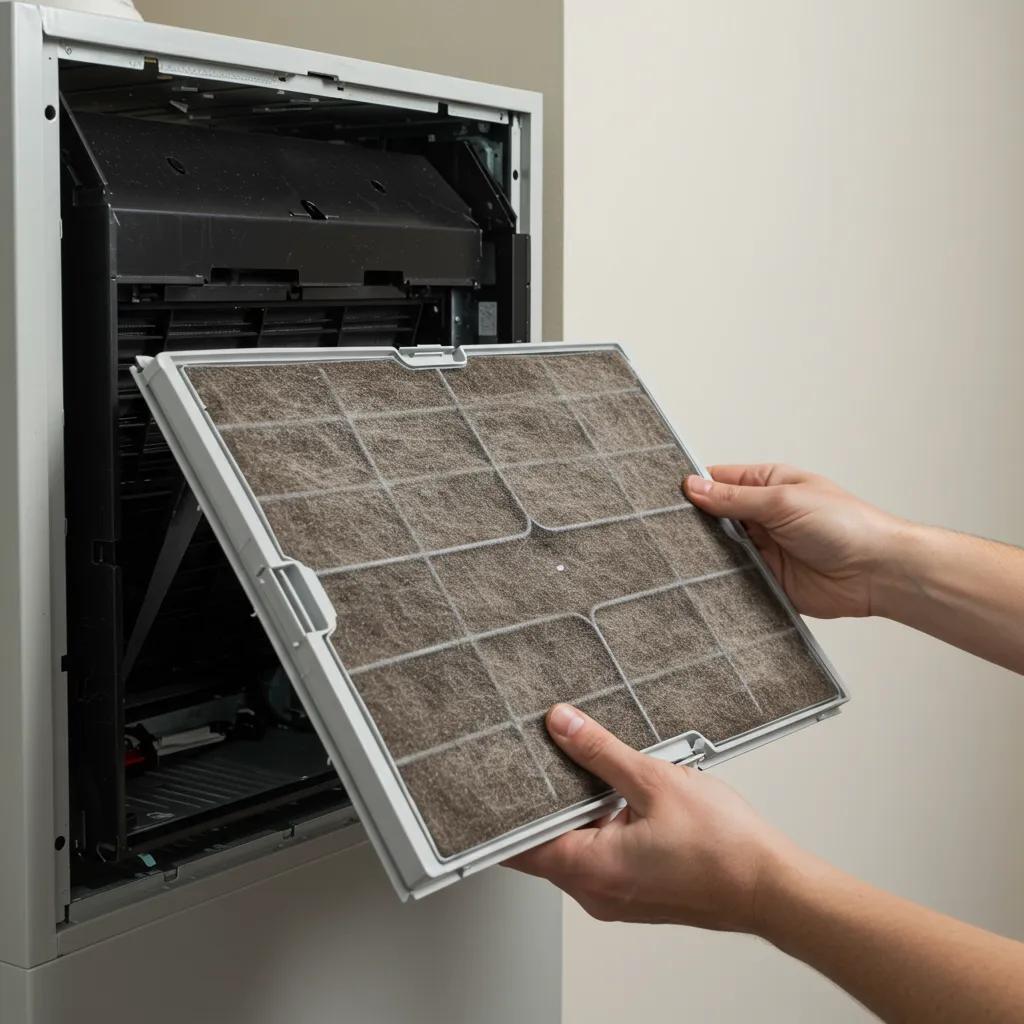
Restricted airflow and visible dirt are clear signs your filter is full. A clean filter is typically white or light gray, while a used one turns dark gray or black as it traps dust. If you notice more dust around your vents, weaker airflow from your vents, or unusual noises from your system, it’s likely clogged. You might also see your energy bills increase or your system cycle on and off more frequently as the blower struggles to push air through.
Take a look through the return-air grille or access panel. If the filter surface is covered in a thick layer of debris, it’s time for a new one. Catching these warning signs early prevents unnecessary strain on your compressor and helps your equipment last longer.
What's the Recommended Replacement Schedule for Different Filter Types?
| Filter Type | Replacement Interval | Why It Matters |
|---|---|---|
| Fiberglass | Every 30 days | Basic dust capture; prevents large debris buildup. |
| Pleated (MERV 5-8) | Every 60–90 days | Good balance of airflow and filtration. |
| Pleated (MERV 9-12) | Every 60 days | Captures finer particles; great for allergy-prone homes. |
| HEPA (MERV 17+) | Every 90–180 days | Top-tier filtration; removes tiny pollutants. |
| Electrostatic | Every 60–90 days | Often washable; requires cleaning instead of replacement. |
What Are the Different Kinds of HVAC Filters and How Do They Work?
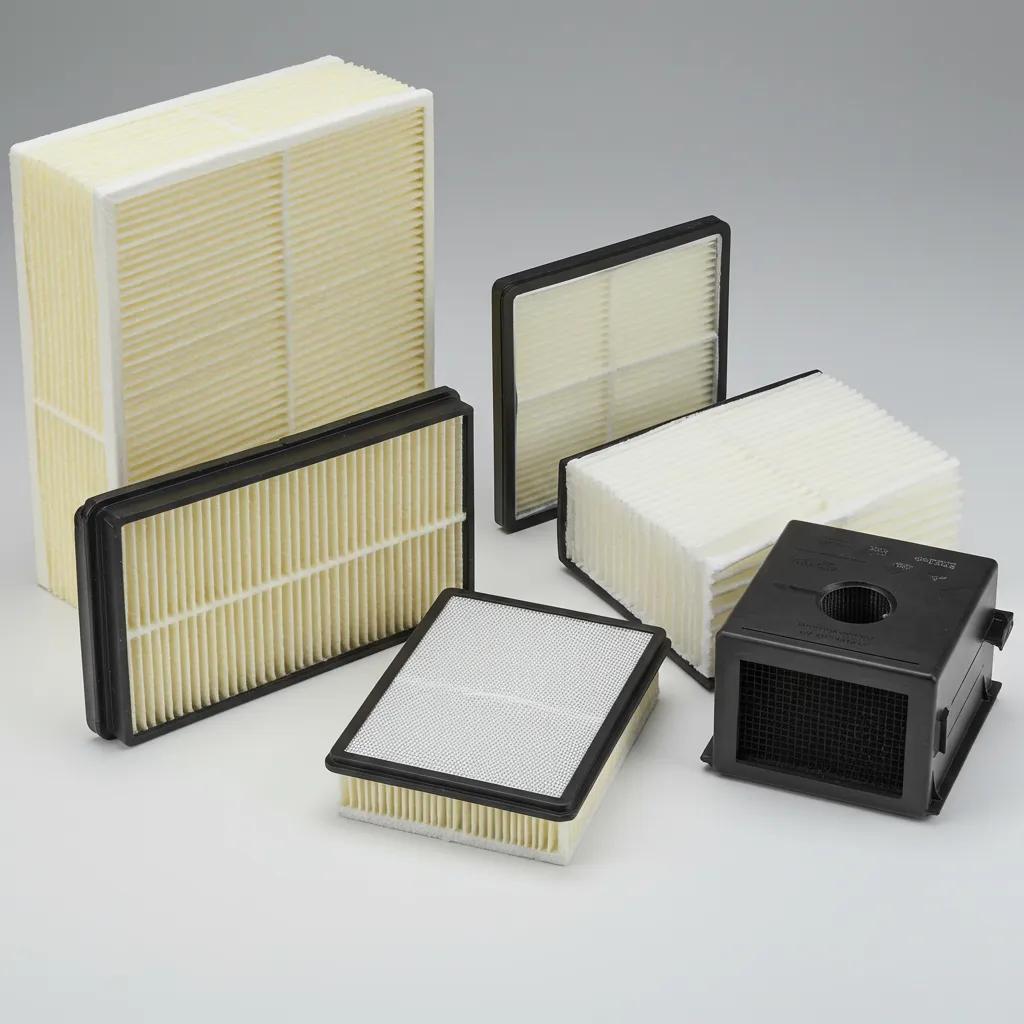
HVAC filters differ in their materials, thickness, and how they capture airborne particles. Fiberglass filters use simple spun glass to catch larger debris. Pleated filters offer more surface area for better dust capture. High-efficiency particulate air (HEPA) filters provide deep cleaning by forcing air through a dense fiber mat. Electrostatic filters use a static charge to attract pollutants, much like a magnet. Carbon filters contain activated carbon to absorb odors and volatile organic compounds (VOCs).
What Are Fiberglass, Pleated, HEPA, Electrostatic, and Carbon Filters?
- Fiberglass Filters offer basic dust capture at a low price but need changing monthly to prevent clogs.
- Pleated Filters provide more surface area for better efficiency while still allowing good airflow.
- HEPA Filters capture over 99% of particles down to 0.3 microns, significantly reducing indoor allergens.
- Electrostatic Filters use electrically charged fibers to attract pollen, dander, and smoke particles.
- Carbon Filters include activated carbon to neutralize odors from cooking, pets, and household chemicals.
Choosing the right filter type aligns with your home’s air quality goals, whether you’re focused on reducing dust, managing allergens, or eliminating odors.
How Do Filter Thickness and Material Affect Performance?
Thicker filters generally offer better filtration but can restrict airflow if they aren’t compatible with your system’s blower. Always check your equipment’s specifications to ensure you’re balancing filtration efficiency with system performance.
Which Filter Types Are Best for Homes with Allergies and Pets?
Homes with allergy sufferers or pets that shed will benefit most from higher-efficiency pleated filters (MERV 9–12) and HEPA filters, which are designed to capture finer particles. Carbon filters can help neutralize pet odors, while electrostatic filters are effective at capturing dander and pollen. Selecting a filter that targets common household triggers can lead to noticeable improvements in sneezing, coughing, and overall dust levels.
Research suggests that various whole-house filtration systems, portable air cleaners, and specialized appliances designed for the sleep breathing zone can offer benefits for allergy sufferers.
What Is a MERV Rating and How Does It Guide Your HVAC Filter Choice?
The Minimum Efficiency Reporting Value (MERV) is a standard rating system, from 1 to 20, that measures how effectively a filter captures particles of different sizes. A higher MERV number means the filter is more efficient at trapping smaller pollutants, but it might also increase airflow resistance. Understanding MERV ratings helps you find the right balance between clean air and your system’s operational efficiency.
Choosing a filter that’s too restrictive can strain your blower motor and reduce airflow, while a low MERV rating might not effectively capture allergens. The following sections will break down the MERV scale and offer recommendations for residential systems.
What Does the MERV Scale Measure?
| MERV Range | Particle Size Captured | Typical Applications |
|---|---|---|
| 1–4 | Large debris | Basic residential use; minimal allergen capture. |
| 5–8 | Dust, pollen, mold spores | Standard homes; improved allergen control. |
| 9–12 | Fine dust, pet dander | Homes with allergy sensitivities. |
| 13–16 | Bacteria, smoke particles | High-performance residential/commercial settings. |
| 17–20 | Virus carriers, sub-micron particles | Cleanrooms, hospital HVAC systems. |
What MERV Ratings Are Recommended for Residential HVAC Systems?
For most homes, a filter with a MERV rating between 8 and 13 offers effective allergen capture without significantly restricting airflow. A MERV 8 pleated filter can block common household dust and pollen, while a MERV 12 filter is a good choice for allergy sufferers needing enhanced protection. Going above MERV 13 might reduce system efficiency unless your blower is designed for higher static pressure.
How Does MERV Rating Affect Indoor Air Quality and Energy Efficiency?
A higher MERV rating leads to cleaner air by trapping smaller particles. However, a denser filter material can reduce airflow and potentially increase energy use by 5–10% if it’s not properly matched to your system. Selecting the right MERV rating ensures you get the most out of your indoor air quality improvements—like fewer respiratory irritants—while keeping your system running efficiently and preventing unnecessary strain.
What Are the Advantages of Regular HVAC Filter Changes?
Replacing your HVAC filters on a regular schedule offers three main benefits: better indoor air quality, improved system efficiency and lifespan, and tangible health advantages. Fresh filters are more effective at trapping pollutants, reduce stress on your system’s components, and help allergy sufferers breathe more easily. Understanding these benefits will reinforce the importance of consistent maintenance.
How Does Changing Your Filter Improve Indoor Air Quality?
Clean filters trap dust, pollen, mold spores, and pet dander before they can circulate through your home’s ductwork and out of the vents. Removing these particles can reduce household allergen levels by up to 50%, leading to fewer allergy flare-ups and less dust settling on surfaces. Better air purity also supports healthier respiratory function for everyone in the home, especially those with asthma or sensitive immune systems.
How Does a Clean Filter Boost HVAC System Efficiency and Longevity?
An unobstructed airflow path allows the blower motor to operate under normal pressure, which can reduce energy consumption by up to 12% and prevent premature wear on belts and bearings. Regular filter changes also help keep the evaporator coil clean, maintaining heat-exchange efficiency and extending the life of your compressor. Consistent maintenance leads to lower utility bills and fewer repair needs over your system’s lifespan.
What Health Benefits Can You Expect from Proper Filter Maintenance?
Keeping your filters fresh can reduce indoor pollutant levels by 30–60%, lowering the risk of respiratory infections and irritation. Allergy and asthma symptoms often improve when airborne triggers are filtered out, promoting better sleep and overall well-being. Consistent filter care contributes to a healthier home environment for children, seniors, and individuals with sensitivities.
How Can You Change Your HVAC Filter Yourself? A Step-by-Step DIY Guide
How to Find the Correct Filter Size for Your HVAC System?
Locate the filter slot on your furnace or air handler and check the dimensions printed on the filter’s frame. If the label is unreadable, measure the filter’s height, width, and depth directly from the compartment. Common sizes include 16x25x1, 20x20x1, and 14x20x1 inches. Using the exact dimensions prevents air from bypassing the filter and ensures proper filtration.
What Safety Tips and Tools Are Needed for Filter Replacement?
Before you start, turn off your HVAC system at the thermostat and the circuit breaker to prevent the blower from starting unexpectedly. Wear gloves and a dust mask to avoid contact with accumulated debris. Have a small flashlight, a screwdriver (if needed for access panels), and a sturdy ladder ready if the filter is located in an attic or closet.
What Are the Exact Steps to Remove and Install a New HVAC Filter?
- Turn off power → Prevents the blower from starting accidentally.
- Open the access panel → Use a screwdriver if it’s secured.
- Slide out the old filter → Note the airflow arrow for correct orientation.
- Inspect the filter slot → Clean out any dust buildup with a soft brush.
- Insert the new filter → Align the airflow arrow with the direction of airflow.
- Close the panel and restore power → Confirm the blower is operating normally.
When Should You Consider Professional Filter Replacement Instead?
If your filter is in a hard-to-reach spot, you hear strange noises from your system after changing it, or the filter clogs frequently despite regular changes, it’s best to call an experienced technician. Professional service can identify issues like duct leaks, blower problems, or coil contamination that a simple filter swap won’t fix.
HVAC Filter Replacement & Maintenance Services in Lehigh Valley
All Air Solutions LLC provides specialized filter replacement and comprehensive maintenance plans designed for homes and light commercial properties in the Lehigh Valley. As a family-owned business with over 20 years of experience, we combine local knowledge with affordable service options to keep your system running smoothly all year long.
How Does All Air Solutions LLC Help with Your HVAC Filter Needs?
Our technicians arrive prepared with a variety of filter sizes and types—from standard pleated filters to high-efficiency HEPA cartridges—ensuring the perfect fit for your system. We conduct a thorough inspection of your air handler, clean nearby components, and verify airflow measurements after installation. This professional approach helps prevent common issues like air bypass and blower strain.
What Are the Benefits of Signing Up for a Maintenance Plan?
Our maintenance plans include scheduled filter changes at the optimal times, seasonal system tune-ups, priority service, and discounted diagnostic fees. Regular visits ensure your filters are changed on time, your coils stay clean, and your refrigerant levels are checked—maximizing energy efficiency and minimizing unexpected repair costs.
How to Schedule Your HVAC Filter Replacement Service with All Air Solutions LLC?
Contact the All Air Solutions LLC office to book an appointment that works with your schedule. Our friendly team will confirm your filter needs, arrange the service call, and provide a clear explanation of what to expect. Consistent professional maintenance ensures your system delivers reliable comfort and clean air without the hassle of DIY scheduling.
What Common Questions Do Homeowners Have About Changing HVAC Filters?
Even experienced homeowners sometimes have questions about managing their HVAC filters. Understanding the pros and cons of washable filters, the risks of delaying changes, and how to choose the right MERV rating will help you maintain your system’s peak performance.
Can I Use Washable HVAC Filters?
Washable filters can help reduce waste and ongoing costs, but they require thorough cleaning and complete drying to remain effective. If not maintained properly, they can allow mold to grow or lose their static charge, leading to less effective particle capture. For consistent performance, disposable pleated or HEPA filters often provide more predictable air quality.
What Happens If You Don’t Change Your HVAC Filter Regularly?
Skipping filter changes leads to faster dust buildup in your ductwork, reduced airflow, and forces your blower motor to work harder, potentially increasing energy bills by up to 15%. Over time, debris can clog the evaporator coil, cause it to freeze up, and even lead to compressor failure. Damage caused by clogged filters often results in expensive repairs or premature system replacement.
How Do I Know Which MERV Rating Is Best for My Home?
Consider your household’s allergy concerns, the presence of pets, and your comfort priorities. A MERV 8–11 filter is suitable for general use and captures common dust and pollen. For homes with significant allergies or multiple pets, a MERV 12 filter offers deeper particle removal without causing excessive airflow restriction. Always check your blower’s capacity before upgrading to high-MERV filters.
Why Does My HVAC Filter Get Dirty So Quickly?
Filters that clog rapidly are often a sign of high levels of airborne particles. This is common during home renovations, peak pollen seasons, or in households with multiple shedding pets. Leaky ductwork can also draw in extra dust, and extended system run times increase exposure to airborne contaminants. Addressing these underlying issues along with regular filter changes will help extend filter life and improve air quality.
Changing your HVAC filter is one of the simplest yet most effective maintenance tasks you can do. By following recommended schedules, selecting the right filter type and MERV rating, and using proper replacement techniques, you’ll enjoy cleaner indoor air, lower energy bills, and a healthier home environment. Whether you prefer to handle the change yourself or rely on All Air Solutions LLC for professional service and maintenance plans, consistent filter care is key to optimal HVAC performance and long-term system protection.