


How to Reset Your Furnace Safely — Clear Troubleshooting and Energy-Saving Tips
A careful furnace reset can fix small glitches and restore heat — but safety matters. This guide walks you through simple, safe reset steps, how to spot common problems, and when it’s time to check your heating system or reach out for professional help. Follow these instructions to troubleshoot minor issues, protect your equipment, and keep your home comfortable during cold weather.
Common Furnace Problems That Often Start with a Reset
Some issues respond well to a safe reset: faulty sensors, ignition hiccups, and restricted airflow are common culprits. Repeated shutdowns or short cycling indicate something inside the system needs attention. Ignoring these warnings can lead to bigger failures or a full breakdown.
How to Check for Furnace Problems Before You Reset
Do a quick inspection first — these checks often reveal the root cause:
- Check the Thermostat: Confirm it’s set to “Heat” and the set temperature is higher than the room. If the display is blank or unresponsive, try fresh batteries to see if that resolves the issue.
- Inspect the Power Supply: Look for a tripped circuit breaker or a blown fuse in your electrical panel. Resetting the breaker or replacing a fuse can often restore power to the furnace.
- Look at the Air Filter: A dirty or clogged filter significantly reduces airflow and can force the system to shut down prematurely. Replace the filter if it looks dirty to ensure proper air circulation.
- Check the Area Around the Furnace: Remove boxes, debris, or anything blocking vents and make sure there’s proper clearance around the unit. Obstructions can impede airflow and cause the furnace to overheat or malfunction.
If the furnace still won’t run after these checks, listen for unusual sounds, watch the flame for irregular behavior, and feel vents for weak airflow — these signs often mean you need a technician. A methodical approach to diagnosing furnace issues helps you troubleshoot safely and effectively. Taking these preliminary steps can prevent unnecessary service calls and ensure your system operates optimally.
Safety Steps to Take Before You Start Troubleshooting

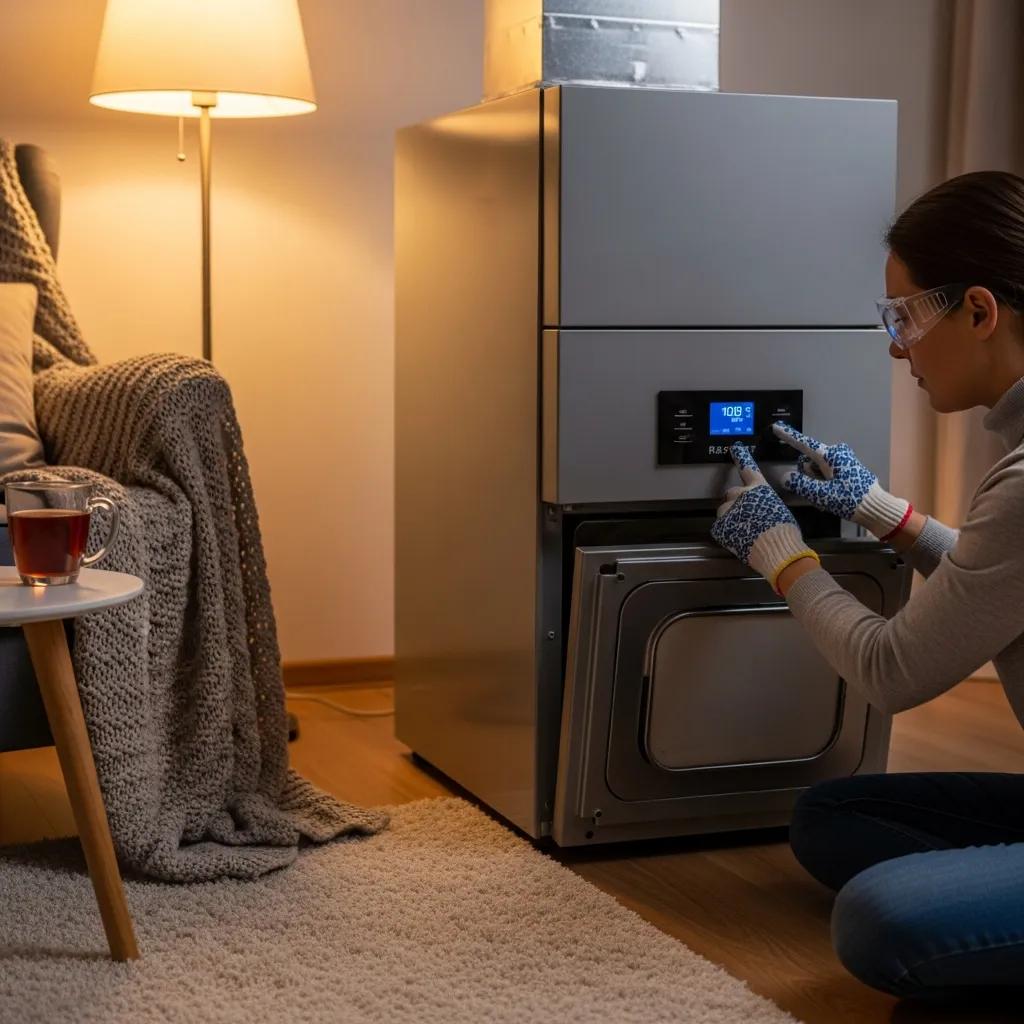
Safety first: wear gloves and eye protection, and always cut power to the unit before inspecting electrical parts. Be careful of sharp sheet metal and hot surfaces near the burner or heat exchanger. If you’re unsure about any step, stop and contact a professional to avoid potential hazards.
How to Reset Your Furnace Safely and Correctly
Where to Find the Furnace Reset Button and How to Use It
Many furnaces have a reset button on the blower motor or near the burner assembly, though locations vary by model. Always turn off power first, wait about 30 seconds, press the reset button firmly, then restore power and watch the unit for a proper startup. This process allows the system to clear minor faults and attempt a fresh ignition sequence.
Step-by-Step Instructions for a Safe Furnace Reset
Follow these simple steps to reset your furnace safely:
- Turn Off the Power: Switch off the power at the furnace power switch or the circuit breaker. This crucial step ensures your safety before you interact with any internal components.
- Wait 30 Seconds: Give the system time to clear any faults before you reset. This brief pause allows internal components to fully discharge and reset their state.
- Press the Reset Button: Find and press the furnace reset button firmly — hold for a second if needed. You should feel a distinct click, indicating the button has engaged.
- Restore Power: Turn the power back on and let the system attempt a normal start. Observe the furnace closely during this phase to ensure it initiates its heating cycle correctly.
- Monitor Operation: Listen for odd noises and confirm the furnace runs and heats normally. If it won’t start or shuts off again, stop and seek professional help from a qualified technician.
If the furnace doesn’t behave normally after a reset, that’s a clear sign a trained technician should inspect the system. Persistent issues often indicate underlying problems that require specialized diagnostic tools and expertise. Do not attempt further resets if the problem recurs, as this could exacerbate the issue.
When to Call a Professional Heating Service for Reset or Repair
Contact a professional heating service when the furnace won’t turn on at all, repeatedly shuts down shortly after starting, or shows signs of electrical damage. Early diagnosis by a professional restores comfort faster and helps avoid more costly repairs down the line. Trusting certified experts ensures your system receives the precise attention it needs.
Warning Signs That Mean You Need Professional Repair
- Electrical Damage: Burnt or melted wiring in the furnace or electrical panel is a serious issue — stop and call a technician immediately. This type of damage poses a significant fire hazard and requires urgent professional attention.
- Ignition Failures: If the furnace won’t ignite or the pilot won’t stay lit, don’t keep trying to restart it yourself. Repeated attempts can flood the system with gas, creating a dangerous situation.
- Poor Heating Performance: If the system runs but won’t reach temperature or takes much longer than normal, sensors or ignition parts may be failing. This inefficiency can lead to higher energy bills and reduced comfort in your home.
- Weak or Uneven Airflow: Low airflow to certain rooms can point to duct problems or a failing blower motor. Inadequate airflow prevents your home from heating evenly and efficiently.
How Certified HVAC Technicians Keep Your Furnace Safe
Certified technicians are trained to find hidden hazards, make accurate repairs, and perform routine maintenance that keeps systems running safely and efficiently. Their work follows strict safety standards and helps prevent repeat breakdowns. Relying on their expertise ensures your furnace operates reliably and extends its lifespan.
How a Proper Reset Helps Energy Efficiency and Lowers Costs

A correct reset can clear minor faults that make a furnace run inefficiently. When your system runs as designed, it uses less energy to keep your home comfortable, which can lead to significant savings on monthly utility bills and reduce wear on components. This proactive approach contributes to both your comfort and your financial well-being.
Energy-Saving Benefits of Proper Furnace Operation
- Lower Energy Use: A properly running furnace heats more efficiently and cuts energy waste. This translates directly into reduced utility expenses throughout the heating season.
- Longer Equipment Life: Regular maintenance and correct resets reduce strain and help your furnace last longer. Extending the lifespan of your unit means delaying costly replacement investments.
- More Comfortable Home: Consistent heating keeps temperature and comfort levels steady throughout your space. You’ll enjoy a more pleasant living environment without cold spots or sudden temperature drops.
Thermostat Resets (Including Honeywell) and Better Heating Control
Resetting or recalibrating thermostats — including Honeywell models — can improve how accurately your system responds to temperature changes. That helps avoid overworking the furnace and keeps energy use in check. Precise temperature control is key to both comfort and cost-effective heating.
| Furnace Issue | Possible Cause | Recommended Action |
|---|---|---|
| Short Cycling | Faulty thermostat | Check the thermostat and replace it if needed |
| No Heat | Power supply issue | Inspect the circuit breaker and reset if tripped |
| Weak Airflow | Clogged filter | Replace the air filter |
| Unusual Noises | Mechanical failure | Schedule a professional inspection |
This table summarizes common furnace problems, likely causes, and practical next steps to resolve them. It serves as a quick reference guide for homeowners facing heating issues. Understanding these basics can empower you to address minor problems effectively.
| Energy Efficiency Strategy | Benefit | Impact Level |
|---|---|---|
| Regular Maintenance | Prevents breakdowns | High |
| Proper Reset Procedures | Improves system efficiency | Medium |
| Thermostat Calibration | Better temperature control | High |
Knowing which strategies deliver the biggest benefits helps homeowners prioritize care for their heating systems and keep costs down through the colder months. Implementing these practices can significantly improve your furnace’s performance and longevity. Proactive maintenance is always more cost-effective than reactive repairs.
Ready for Reliable Heat? Contact All-Air Solutions Today!
A safe furnace reset can solve small problems, improve efficiency, and extend the life of your heating system. Follow the steps above, watch for warning signs, and don’t hesitate to contact a qualified technician when needed. Proper care keeps your home comfortable and your equipment running its best — for more tips and expert resources, explore our site or reach out to All-Air Solutions for professional assistance.