


Identifying Common Issues in Heating Maintenance: Troubleshooting and Care Tips
Your heating system keeps your home safe and comfortable through the cold months. This guide helps you spot common problems with furnaces, boilers, and heat pumps, perform safe basic checks, and decide when to call a professional. We map symptoms to likely causes, share homeowner-friendly fixes and safety checks, and explain how routine maintenance protects equipment and reduces energy bills. You’ll get practical troubleshooting steps for furnaces (no heat, strange noises, short cycling), boilers (low pressure, leaks, kettling), and heat pumps (loss of performance, icing, odd sounds), plus clear signs that it’s time to schedule service. We also tie those symptoms back to related parts—thermostats, filters, relief valves, and CO detectors—so you can connect what you see to what may be failing. By the end you’ll have a short action plan for immediate checks, priority repairs, and how regular maintenance lowers the chance of breakdowns while improving efficiency.
What Are the Most Frequent Furnace Problems and How Can You Fix Them?
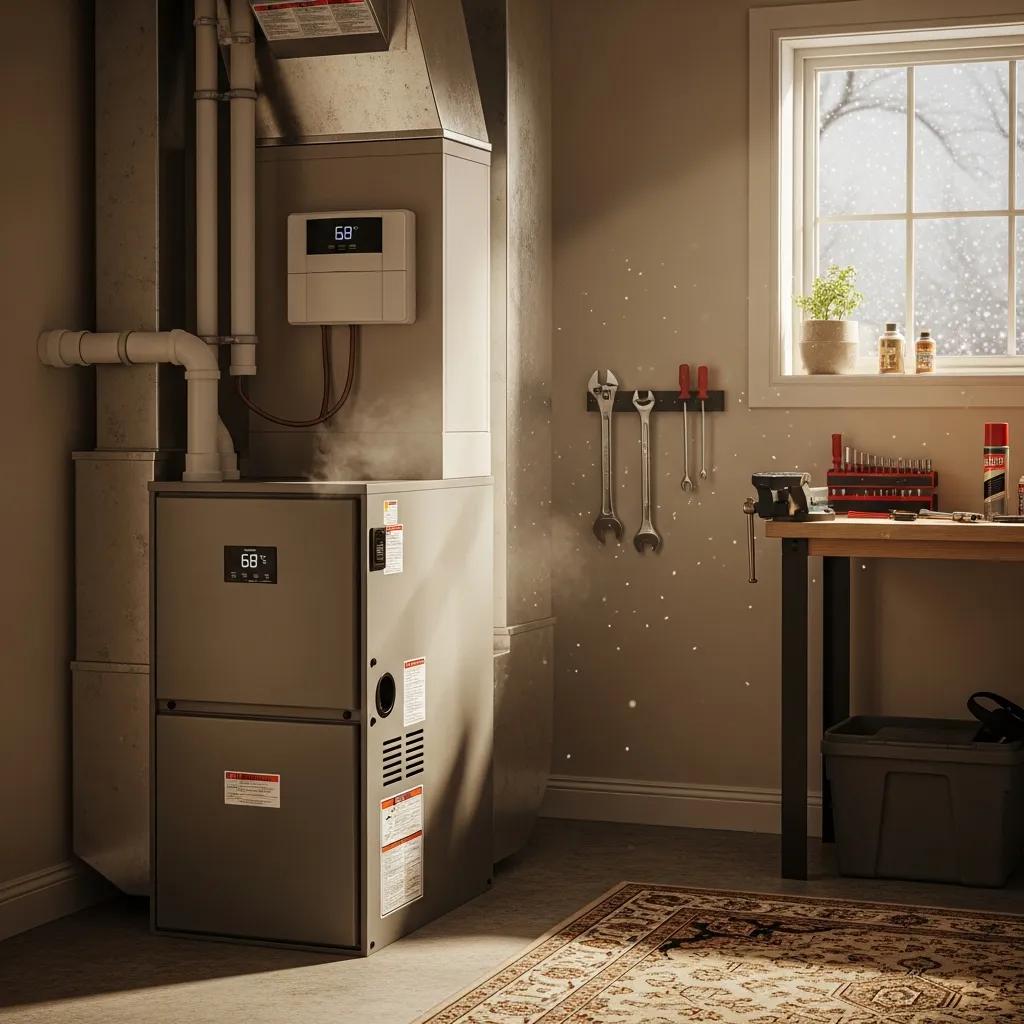
Furnaces usually show problems as no heat, unusual noises, short cycling, ignition failures, or restricted airflow from dirty filters or blocked ducts. These symptoms appear when parts like the ignitor, blower motor, filter, or heat exchanger get dirty, worn, or out of alignment—reducing combustion efficiency and airflow. Start with simple homeowner checks: confirm thermostat settings, check breakers and switches, replace or inspect the filter, and watch pilot/ignition behavior. Those steps often resolve minor issues. If you detect a gas smell, a damaged heat exchanger, repeated ignition failure, or electrical sparking, shut the system off and contact a qualified technician right away—those are safety hazards.
Quick reference: the table below links common furnace symptoms to probable causes and immediate homeowner steps you can take before calling for service.
| Component | Symptom | Probable Cause | Recommended Immediate Action |
|---|---|---|---|
| Ignitor/Pilot | No heat though unit has power | Faulty ignitor or pilot outage | Verify thermostat and power; don’t force the system—call a technician if there’s no spark |
| Air Filter | Weak airflow, overheating | Clogged or dirty filter | Replace the filter, restart the system, and monitor airflow and temperature |
| Blower Motor | Squealing or grinding sounds | Worn bearings or a loose belt | Turn off the system, listen for source; schedule motor service if noise continues |
| Heat Exchanger | Frequent shutdowns or CO risk | Cracks or corrosion | If a CO alarm sounds, evacuate; stop using the system and request emergency service |
This quick table helps you prioritize what to do immediately and when professional inspection is necessary to prevent further damage.
Why Is My Furnace Not Producing Heat?
If your furnace powers on but won’t heat, common causes include thermostat settings, electrical issues, a clogged filter, or fuel/ignition faults in gas systems. Start with easy checks: confirm the thermostat is set to heat and higher than room temperature, verify the circuit breaker and power switch, and inspect the air filter for heavy soiling. If the burner won’t ignite or the furnace runs without producing warm air, the problem may be a failed ignitor, a bad gas valve, or a blocked condensate line—situations that require professional service because of combustion and safety risks. Don’t delay: persistent no-heat can lead to frozen pipes, lost comfort, and safety concerns.
What Do Strange Noises from a Furnace Indicate?
Changes in sound are useful clues. Grinding or screeching often points to worn blower bearings or motor trouble; banging or popping can mean delayed ignition, duct expansion, or loose panels. Repeated clicking usually signals an ignition or electrical control issue, while rattling suggests loose components that can cause damage over time. If you notice unusual smells—burning or gas—shut the system down and schedule a prompt inspection. Addressing strange noises early reduces the risk of major failures and helps keep your system running efficiently.
How to Recognize and Resolve Common Boiler Issues
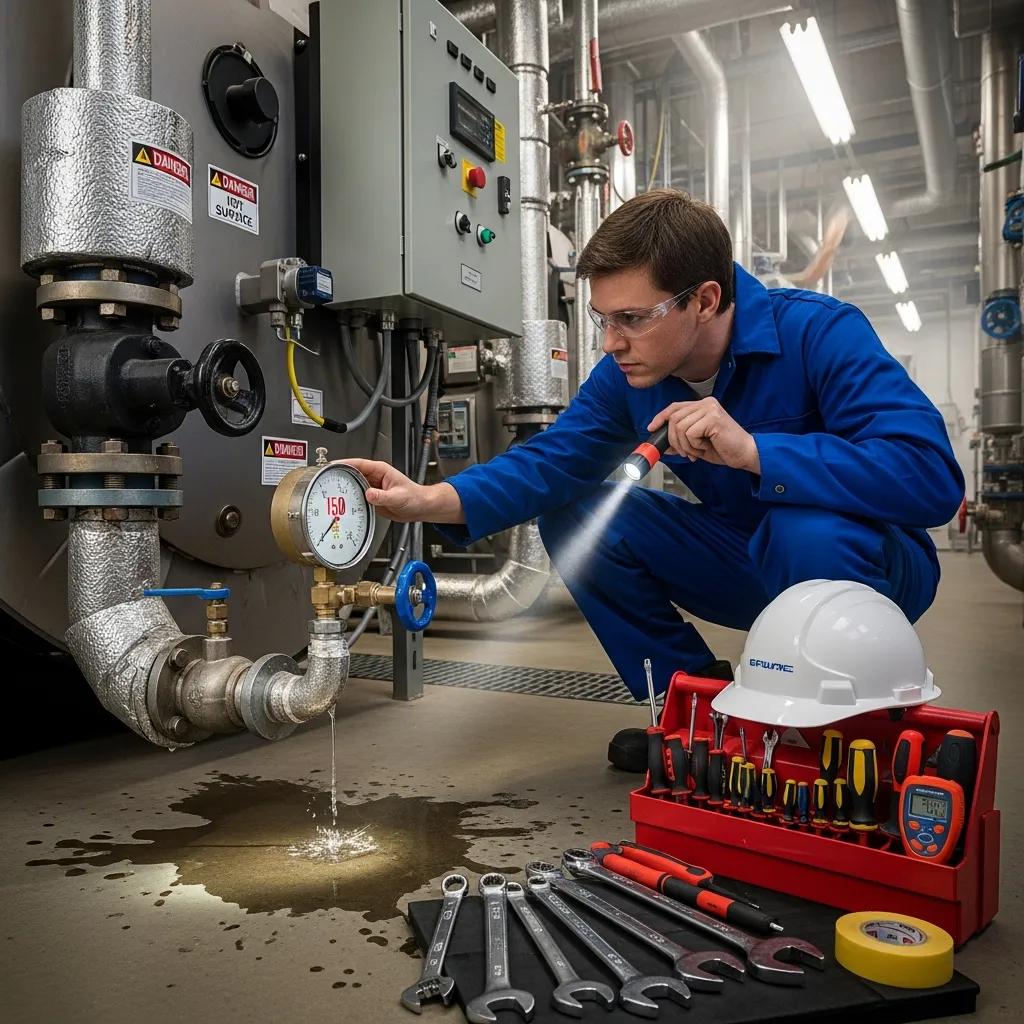
Boilers show specific problems like low pressure, visible leaks, kettling noises, or lack of hot water. Because boilers include pressure vessels, valves, and heat exchangers, each symptom calls for targeted steps. Reading the pressure gauge over time tells you whether the system is losing water or if the expansion vessel or relief valve is failing—both affect circulation and heat delivery. Visible leaks need prompt attention to avoid water damage and pressure loss. Kettling—loud, churning sounds—usually means scale or sludge is building on the heat exchanger, reducing heat transfer and causing overheating. Homeowner checks should focus on pressure readings, leak locations, and unusual sounds; many boiler repairs require a trained technician for safe descaling or part replacement.
Quick guide: the table below summarizes common boiler symptoms, the risks they pose, and the professional next steps to resolve them safely.
| Boiler Issue | Symptom | Potential Risk | Professional Next Step |
|---|---|---|---|
| Low Pressure | Gauge reads below recommended range | Poor circulation, possible system shutdown | Search for leaks; if pressure won’t hold, test expansion vessel and relief valve |
| Visible Leak | Water pooling or damp spots | Corrosion, component failure, electrical hazard | Isolate the system, drain if necessary, and schedule prompt leak repair |
| Kettling | Loud rumbling or boiling noises | Overheating, reduced efficiency, possible damage | Professional descaling, flushing, and heat-exchanger inspection |
Use this comparison to know when you can monitor a boiler safely and when to request immediate professional help.
All Air Solutions LLC offers scheduled boiler maintenance and emergency repairs, including inspections, pressure testing, and part replacement to keep your system safe and efficient.
What Causes Low Boiler Pressure and How Is It Fixed?
Low boiler pressure is usually caused by leaks, loss of system water, or a faulty expansion vessel or pressure relief valve; it directly reduces circulation and heat delivery. Homeowners can check the pressure gauge—usually on the boiler front—and, if slightly low, top up using the filling loop following the manufacturer’s instructions. Don’t overpressurize. If pressure drops repeatedly or you find a visible leak, shut off the system and arrange professional diagnosis—internal repairs or valve replacement may be required. Regular pressure checks as part of preventative maintenance catch problems early before they become major failures.
How to Identify and Repair Boiler Leaks and Kettling Noises
Leaks appear at joints, valves, radiators, or the heat exchanger and show up as damp patches, corrosion, or constant pressure loss. Kettling sounds like boiling or banging when scale blocks water flow. Finding the leak source helps judge urgency: a small drip at a valve is less critical than a weeping heat exchanger or pooling under the boiler, which suggests internal failure. Kettling normally requires professional descaling or flushing to remove scale and restore heat transfer. Because leaks and kettling can cause safety and efficiency problems, schedule a professional inspection instead of attempting complex repairs yourself.
What Are the Key Signs of Heat Pump Malfunctions and Repairs Needed?
Heat pumps commonly show reduced heating output, frequent short cycles, excessive icing, or unusual sounds from the outdoor fan, compressor, or reversing valve. These problems occur when refrigerant flow, coil cleanliness, or defrost cycles are compromised—low refrigerant, clogged coils, or control faults all reduce performance. Quick homeowner checks include confirming thermostat mode, keeping the outdoor unit clear of debris, and replacing dirty filters that restrict airflow. Refrigerant issues and compressor faults need certified technicians. Spotting defrost problems, refrigerant leaks, or mechanical noises early prevents wasted energy and costly compressor damage.
Quick reference: the table below helps you tell normal defrost behavior from problematic icing and links common symptoms to causes and prevention tips.
| Component | Symptom | Usual Cause | Preventative Tip |
|---|---|---|---|
| Outdoor Coil | Thin frost during defrost cycle | Normal defrost operation | Keep the area clear of debris and keep coils clean |
| Excessive Icing | Thick ice accumulation | Refrigerant leak or faulty defrost control | Book a refrigerant check and defrost-control diagnostic |
| Compressor/Fan | Loud humming or clunking | Motor wear or loose mounts | Include annual inspection and lubrication in maintenance |
This table helps decide whether observed behavior is normal or needs service; persistent icing or odd compressor noises mean it’s time for professional diagnostics.
All Air Solutions LLC performs heat pump diagnostics and repairs to restore correct refrigerant charge, defrost controls, and mechanical soundness.
Why Is My Heat Pump Not Heating Effectively?
A weak heat pump usually points to low refrigerant, dirty coils, airflow restrictions, or reversing-valve faults that impede heat transfer. Start with basic checks: confirm thermostat mode and temperature, clear debris from the outdoor unit, and replace air filters to improve airflow before assuming a refrigerant or mechanical fault. If the unit runs but delivers little heat, inspect for ice buildup—excess frost often signals defrost or refrigerant issues that require certified service. Fixing simple airflow or filter problems quickly can restore performance; refrigerant and compressor work should be handled by trained technicians.
How to Address Icing and Unusual Sounds in Heat Pumps
Normal defrost cycles leave a light frost that melts during defrost. Excessive or recurring icing indicates a problem with defrost controls, refrigerant balance, or restricted airflow from dirty coils. If icing happens despite clear airflow and proper clearance, arrange professional diagnostics to test defrost timers, sensors, and refrigerant levels. Unusual mechanical sounds—from the fan, compressor, or reversing valve—often mean bearing wear, loose mounts, or compressor strain related to refrigerant issues and should prompt inspection. Early service prevents long-term compressor damage and keeps your heat pump efficient.
Why Is Preventative Heating Maintenance Essential for Your System?
Preventative maintenance inspects, cleans, and adjusts furnaces, boilers, and heat pumps so components wear more slowly, efficiency stays high, and small problems don’t become costly failures. Regular care—filter changes, burner and pilot checks, pressure monitoring, lubrication, and safety testing—helps systems run closer to manufacturer specifications, which lowers energy use and utility bills. Scheduled maintenance extends component life, reduces emergency repairs, and includes vital safety checks like carbon monoxide detector verification for combustion appliances. A maintenance plan gives predictable service intervals, improved system reliability, and priority response when you need it.
Maintenance plan features: the items below summarize common preventative tasks that protect system health and efficiency.
- Filter and Airflow Inspection: Keeps air circulating properly and reduces strain on blower motors. Regular filter checks and replacements prevent dust buildup that can cause overheating and inefficiency.
- Combustion and Safety Testing: Confirms safe operation and checks for carbon monoxide risks. Measuring combustion efficiency and testing safety devices prevents dangerous leaks and keeps systems compliant.
- Heat Exchanger and Coil Cleaning: Restores efficient heat transfer and reduces kettling or icing. Removing scale and debris from these surfaces improves performance and prevents premature wear.
- Pressure and Valve Checks: Detects leaks, weak expansion vessels, and faulty relief valves. Routine pressure checks identify early signs of failure and prevent costly damage.
How Does Regular Maintenance Extend Heating System Lifespan?
Routine maintenance lowers stress on components by removing scale, replacing worn parts, and keeping settings correct so systems operate as designed rather than under strain. For example, clean filters prevent blower overheating, and descaled heat exchangers reduce kettling and thermal stress that can cause cracks. Regular inspections catch early wear—frayed belts, noisy bearings, or small leaks—so technicians can make targeted repairs before full failures occur. Those preventive fixes add up, extending equipment life and delaying costly replacements.
What Are the Energy Efficiency and Safety Benefits of Preventative Care?
Preventative care improves efficiency by maintaining clean heat-transfer surfaces, correct refrigerant charge, and unobstructed airflow—together these reduce energy use compared with neglected systems. Safety benefits include carbon monoxide checks on combustion appliances, testing of boiler relief valves, and verification that electrical connections are secure. Industry guidance shows well-maintained systems operate closer to manufacturer efficiency ratings, producing measurable utility savings and fewer emergency calls. To keep this consistent, consider a service plan that bundles inspections, safety checks, and priority emergency response.
Schedule Your Heating System Maintenance Today
Don’t wait for a breakdown to interrupt comfort or safety. Regular maintenance keeps your heating system running efficiently and reliably through the cold months. Contact us at All Air Solutions LLC to schedule a comprehensive heating inspection and maintenance visit. Our technicians will help you avoid costly repairs, improve energy performance, and keep your home warm and safe all winter. Reach out today to book your service and enjoy the peace of mind that comes with professional maintenance.
Conclusion
Keeping your heating system maintained protects comfort, safety, and energy costs during the colder months. By recognizing common issues and following preventative care, you can reduce the risk of breakdowns and expensive repairs. Take a proactive step—schedule maintenance today to stay warm, safe, and worry-free all winter. Contact All Air Solutions LLC to book service and experience the benefits of a well-maintained heating system.