


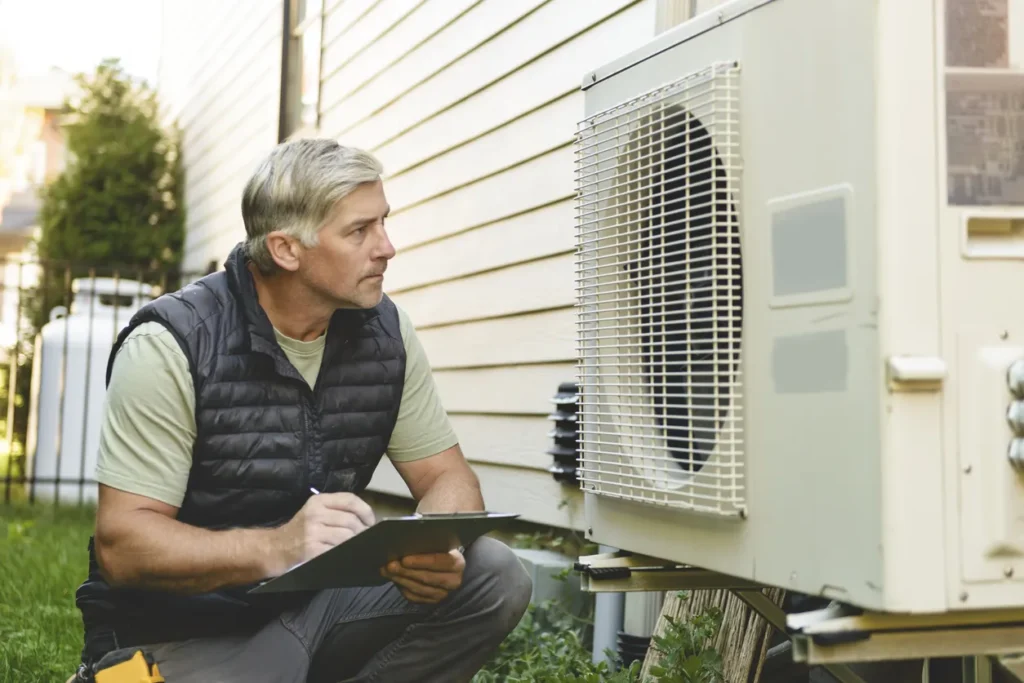
How to Troubleshoot & Fix Common Heat Pump Noises
Heat pumps move heat between your home and the outdoors using a compressor, fan, refrigerant lines, and a reversing valve. When one of those parts starts to fail, it usually makes a noise that gives you an early warning. This guide walks you through how to tell normal operating sounds from problem noises, identifies common causes like loose panels, worn bearings, electrical contactor chatter, and refrigerant hum, and lays out safe DIY checks you can do. You’ll also find straightforward repair steps, preventative maintenance tips to reduce noise and improve efficiency, and clear guidance on when to call a pro. The article is organized into five practical sections: normal vs. abnormal sounds, cause-and-fix guidance for specific noises, preventative maintenance, red flags that need a technician, and short FAQs about costs and expectations. We use search-friendly phrases like heat pump services, heat pump making noise, and heat pump noise troubleshooting naturally so you can find the steps you need quickly.
Why Is My Heat Pump Making Noise? Understanding Normal vs. Abnormal Sounds
A working heat pump will make several predictable sounds as it cycles: a steady low hum from the compressor, an airflow whoosh from the fan, and occasional clicks during defrost or when the reversing valve shifts. Those noises come from normal mechanical and refrigerant processes and usually aren’t a problem if they follow a regular pattern. Abnormal sounds — loud grinding, nonstop buzzing, heavy rattling, or high-pitched squeals — can mean mechanical wear, loose panels, electrical faults, or refrigerant and compressor issues that deserve attention. Pairing sound changes with performance issues — less heat/cool, rising energy bills, or tripped breakers — raises the urgency and helps pinpoint likely causes.
All Air Solutions LLC, a family-owned HVAC company serving Bath, PA and the Lehigh Valley, is available to diagnose unclear or recurring noises if you’d rather have a professional inspect after doing safe DIY checks. The sections that follow explain what counts as normal, what to watch for, and how to triage problems before deciding on repairs.
What Are Normal Heat Pump Sounds and When Should I Be Concerned?
Normal sounds include the steady low-frequency hum of the compressor while it runs, the whoosh of air through ducts, and single clicks when relays or the reversing valve operate during mode changes or defrost cycles. These sounds are brief and consistent in pitch and timing. Be concerned if familiar noises change — getting louder, higher-pitched, intermittent, or paired with vibration — or if sounds occur outside expected times, like continuous buzzing when the unit is off or grinding while idle. If a sound shows up with reduced output or frequent cycling, treat it as a warning and move on to targeted checks.
Listen over several cycles to spot patterns, and consider keeping a short log of when noises occur (startup, defrost, runtime) so you can narrow the cause and give clear information to any technician you call.
How to Differentiate Between Common and Problematic Heat Pump Noises
Tell benign from serious noises by noting timing, consistency, and related symptoms: normal clicks match defrost or thermostat actions; fast repeated clicking often signals a relay or contactor issue. Do quick visual and tactile checks: look for loose panels, clear debris around the outdoor unit, and check for ice build-up; with the unit running, carefully feel for excessive vibration at the cabinet base. Always turn off power before touching hardware. Match the sound to system behavior — noise plus tripped breakers, burning smells, or loss of heating/cooling points to electrical or sealed-system faults. If clearing debris or tightening screws quiets the unit, keep an eye on it; persistent or worsening noises need professional diagnosis to prevent bigger damage.
Use a simple decision flow: monitor, try safe DIY fixes, or call a technician when red flags appear — this prepares you for the next section on specific causes and fixes.
What Causes Common Heat Pump Noises and How Can I Fix Them?
Different noises usually point to different parts: buzzing often comes from electrical components like contactors or capacitors; rattles usually mean loose panels or debris hitting fan blades; squealing and grinding suggest worn bearings or belts; clicking can be normal defrost action or failing relays; loud humming frequently signals compressor strain or refrigerant flow problems. Each noise has safe DIY checks you can try — visual inspection, listening for vibration points, and keeping the area around the condenser clear — and clear signs that sealed-system or electrical work needs a licensed technician. Below are focused subsections that cover typical noises, safe homeowner checks, and the professional fixes technicians commonly recommend.
The table below matches common noises with likely causes, quick homeowner checks, and standard professional remedies so you can triage efficiently.
| Noise Type | Likely Cause(s) | DIY Checks | Professional Solution |
|---|---|---|---|
| Buzzing | Contactor, capacitor, transformer, loose wiring | With power off, look for discoloration on capacitors, listen for hum, and sniff for burning smells | Replace contactor or capacitor; perform electrical diagnostics and repairs |
| Rattling | Loose panels, debris, unbalanced fan blades, loose mounts | Tighten fasteners, clear debris, spin the fan by hand to check clearance | Replace fasteners or mounts, rebalance or replace fan blades and motor mounts |
| Squealing/Grinding | Worn bearings, motor wear, belt problems (if present) | Listen for pitch changes at startup and inspect for oil leaks or visible wear | Replace bearings, motor, or belt as needed |
| Clicking | Defrost cycle, reversing valve, failing relay | Note whether clicks match defrost or are continuous; check thermostat and control wiring | Replace relay/contactor or service the reversing valve; diagnose control board |
| Loud Humming | Compressor overload, refrigerant restriction, cabinet vibration | Observe compressor operation and check vibration isolation pads and mounting | Compressor service or replacement and sealed-system diagnostics/repair |
This quick-reference map helps you decide whether to watch, attempt safe fixes, or schedule professional repairs.
What Causes a Buzzing Noise in Heat Pumps and How Do I Troubleshoot It?
Buzzing usually comes from electrical parts: a failing contactor, an old capacitor, transformer vibration, or loose wiring that transmits vibration. For a safe first check, switch the unit off at the breaker and inspect for burned or swollen capacitor housings and loose terminal connections — do not open live electrical panels unless you’re qualified. If you detect burning smells, flickering breakers, or visible component damage, treat it as an electrical hazard and call a licensed technician. Pros will test start and run capacitors, replace bad contactors, and correct wiring faults to restore reliable compressor starts and stop persistent buzzing.
Also note when the buzzing happens — only at startup, continuously, or under load — since that timing helps a technician isolate the source (capacitor vs. transformer vs. compressor).
How to Identify and Fix Rattling Sounds from Loose Parts or Fan Issues
Rattles usually come from mechanical issues: loose access panels, missing or loose mounting bolts, debris inside the cabinet, or fan blades hitting foreign objects. Start with the power off: tighten accessible screws and fasteners, clear leaves and debris from around the condenser coil, and spin the fan by hand to check for rubbing or imbalance. If blades are bent or chipped, or motor mount bolts are broken, replace the damaged parts rather than improvising repairs. A technician can rebalance or replace fan blades and secure mounts to stop resonance and prevent further wear; addressing rattles early protects the motor and compressor from added stress.
If rattling continues after basic tightening, the issue may be internal and require a professional teardown and diagnostic.
Why Is My Heat Pump Squealing or Grinding and What Repairs Are Needed?
Squealing or grinding usually signals mechanical wear — worn motor bearings, failing bushings, or in belt-driven units, a slipping or glazed belt. These high-pitched or metallic noises often worsen with runtime and can lead to motor seizure if ignored. If you hear grinding, power off the unit right away to prevent more damage and inspect for oil leaks or obvious mechanical failure; do not run the system under grinding conditions. A certified technician will inspect bearings, replace the motor or bearings if necessary, and repair any secondary damage, returning the system to smooth operation and avoiding costly compressor or gearbox failures.
Quick professional action protects the rest of the system and preserves equipment life.
What Does Clicking Noise Mean in a Heat Pump and How Can I Address It?
Clicking can be normal — a single click when the thermostat changes state or the reversing valve shifts — or it can be a sign of relay or contactor chatter. Differentiate by timing: clicks that match thermostat or defrost cycles are usually fine; fast, repeated clicking suggests failing relays, weak capacitors, or short-cycling. Start with the thermostat and control wiring checks; if the clicking keeps happening, power-cycle and observe. Professionals commonly replace relays or contactors and diagnose control-board faults to stop recurring electrical clicks and prevent relay welding or capacitor damage.
Address intermittent or rapid clicking promptly to avoid bigger electrical problems.
What Causes Loud Humming in Heat Pumps and How Do I Resolve Compressor or Refrigerant Problems?
Loud humming often traces to the compressor or to vibration traveling through the cabinet and mounts. If humming gets louder or is paired with hot discharge lines, reduced capacity, or tripped overloads, the compressor or refrigerant flow may be at fault. Note whether the hum changes with load or outdoor temperature, and check that vibration pads and mounting hardware are secure. Because compressor and refrigerant work is sealed-system work, it requires a licensed technician: pros will run pressure checks, find restrictions or leaks, and repair or replace compressors to restore quiet, efficient operation.
Leaving sealed-system issues to trained technicians protects refrigerant handling, meets regulations, and preserves system longevity.
How Can Preventative Maintenance Help Keep Your Heat Pump Quiet?
Regular preventative maintenance reduces noise by addressing the usual causes: dirt and debris increase airflow turbulence and fan imbalance, loose fasteners make rattles, aging capacitors and contactors cause buzzing or clicking, and worn bearings produce squeal or grind. A routine maintenance plan combines homeowner checks — filter changes, clearing around the condenser, tightening visible fasteners — with professional tune-ups that include lubrication, electrical testing, refrigerant checks, and vibration inspection. Maintenance extends component life and improves efficiency, which lowers strain-related noise and operating costs. Below are practical cleaning tasks and professional actions that reliably reduce noise and boost system reliability.
What Regular Cleaning and DIY Checks Reduce Heat Pump Noise?
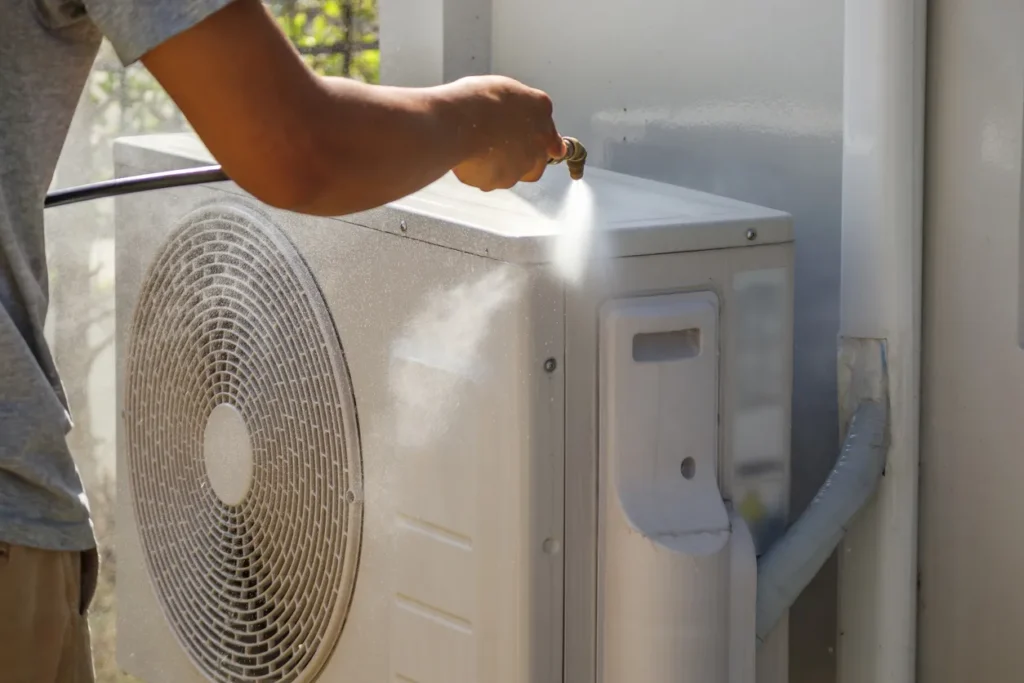
Simple homeowner tasks resolve many common noise sources: change filters on the schedule your equipment recommends, keep at least two feet of clearance around outdoor units to prevent debris impact, and remove leaves or ice during seasonal transitions. Visually inspect and tighten accessible screws and access panels, and keep drain pans clear to avoid overflow-related vibration. These low-risk checks often restore quiet operation by removing airflow obstructions and rattling parts. Doing these checks monthly during peak seasons cuts the chance of noise-related failures and keeps the system running smoother and quieter.
Regular inspections also save money over time by preventing debris-related imbalance and avoiding unnecessary motor or compressor stress.
The table below lists maintenance tasks, the targeted component, and the expected noise and efficiency benefits.
| Maintenance Task | Component Targeted | Expected Result (Noise Reduction / Efficiency) |
|---|---|---|
| Filter replacement | Air handler filters | Reduces airflow turbulence and blower noise; improves efficiency |
| Coil and condenser cleaning | Coils, airflow path | Lowers fan load, reduces debris rattling; improves heat transfer |
| Tightening fasteners | Panels, mounts | Eliminates rattles and resonance; reduces vibration transmission |
| Lubrication and bearing checks | Fan motor, bearings | Prevents squeal and grind; extends motor life and smooths operation |
| Electrical component check | Contactor, capacitors | Stops buzzing and clicking; ensures reliable compressor starts |
Consistent maintenance leads to quieter, more efficient operation and fewer emergency repairs over the long run.
Why Are Professional Tune-Ups Essential for Noise-Free Heat Pump Operation?
Professional tune-ups catch sealed-system and electrical issues that homeowners shouldn’t open, such as refrigerant charge, compressor condition, contactor and capacitor health, and internal motor bearing wear. Technicians run diagnostic tests, measure electrical current draw, and use gauges to spot refrigerant restrictions or leaks — steps that pinpoint the source of humming, buzzing, and performance-driven noise. Pros can also rebalance fans, replace isolation mounts, and apply the correct lubricants to bearings, removing recurring mechanical noises. Scheduled tune-ups reduce surprise noise events, extend equipment life, and find small problems before they become costly failures.
All Air Solutions LLC offers maintenance plans and recurring tune-ups tailored to heat pump systems, focused on quieter operation and preventive care to avoid emergency repairs.
When Should I Call a Professional for Heat Pump Noise Troubleshooting?
Call a professional when noise comes with safety or performance red flags: persistent loud grinding, a burning smell, visible smoke, tripped breakers tied to noise, or sudden loss of heating/cooling are reasons to shut down the unit and request service. Electrical faults and sealed-system repairs are unsafe for DIY work and require licensed technicians. For non-urgent but persistent noises that basic checks don’t fix, schedule a diagnostic visit to prevent escalation. The checklist below helps you decide what to do before the technician arrives.
- Turn off the unit if you smell burning, see smoke, or notice sparking.
- Document the noise: note when it happens, the tone, and whether it began slowly or suddenly.
- Look for simple causes: clear debris, tighten visible fasteners, and confirm breakers are set correctly.
- Schedule a service call if the noise continues or if you don’t have safe access to the components.
Following these steps preserves safety and gives the technician useful details that speed up diagnosis and repair.
What Heat Pump Noise Symptoms Require Immediate Expert Attention?
Seek immediate expert help for dangerous or system-threatening signs such as a burning odor, visible smoke, metal-grinding noises that suggest internal seizure, repeated breaker trips tied to audible faults, or sudden loss of heating/cooling alongside loud noise. These symptoms point to electrical failure, motor seizure, or sealed-system issues that can cause more damage or create a safety risk if the unit keeps running. If you see any of these red flags, shut off power and contact a licensed technician for emergency service; do not attempt sealed-system or electrical repairs yourself.
Powering down the unit prevents further damage and preserves evidence that helps the technician diagnose the problem accurately.
How Does All Air Solutions Provide Expert Heat Pump Noise Diagnosis and Repair in Bath, PA?
All Air Solutions LLC is a family-owned HVAC company serving Bath, PA and the Lehigh Valley. We handle heat pump repair, installation, and maintenance for noise-related issues. Our technicians perform diagnostic tune-ups that include electrical testing, vibration checks, refrigerant pressure readings, and mechanical inspection to identify noise sources and recommend targeted repairs. We prioritize customer satisfaction, emergency availability, and maintenance plans that reduce noise and prevent repeat failures. We also provide free estimates on new units and offer financing for qualifying installations. Booking a diagnostic visit gets a trained pro on site to assess safety concerns and deliver a plan to restore quiet, efficient operation.
Expect a structured visit: symptom review, systematic testing, clear findings, and a recommended repair or replacement plan tailored to your system.
Conclusion
Recognizing and addressing heat pump maintenance keeps your home comfortable and your system efficient. By learning normal sound patterns, performing basic checks, and getting timely professional help for red flags, you can avoid costly repairs and keep your unit running quietly. If you’d like help or a maintenance plan tailored to your system, reach out to a All Air Solutions to keep your heat pump performing at its best.